May 14, 2026
Termites are silent destroyers, often causing extensive damage to homes before homeowners even realize there's a problem. Their ability to work unnoticed allows them to slowly deteriorate the structural integrity of buildings, making them a significant threat. Understanding the gradual process of destruction they bring is crucial in taking preventive measures and protecting one’s home from potential devastation. Effective termite treatments are essential in combating these pests and ensuring that your home remains safe and sound. Left untreated, termite colonies can continue expanding for years while remaining hidden behind walls and beneath flooring. Many homeowners only discover the issue after costly repairs become unavoidable. Taking steps to recognize risks and schedule inspections can make a major difference in protecting your investment.
Recognize the Warning Signs of a Termite Infestation
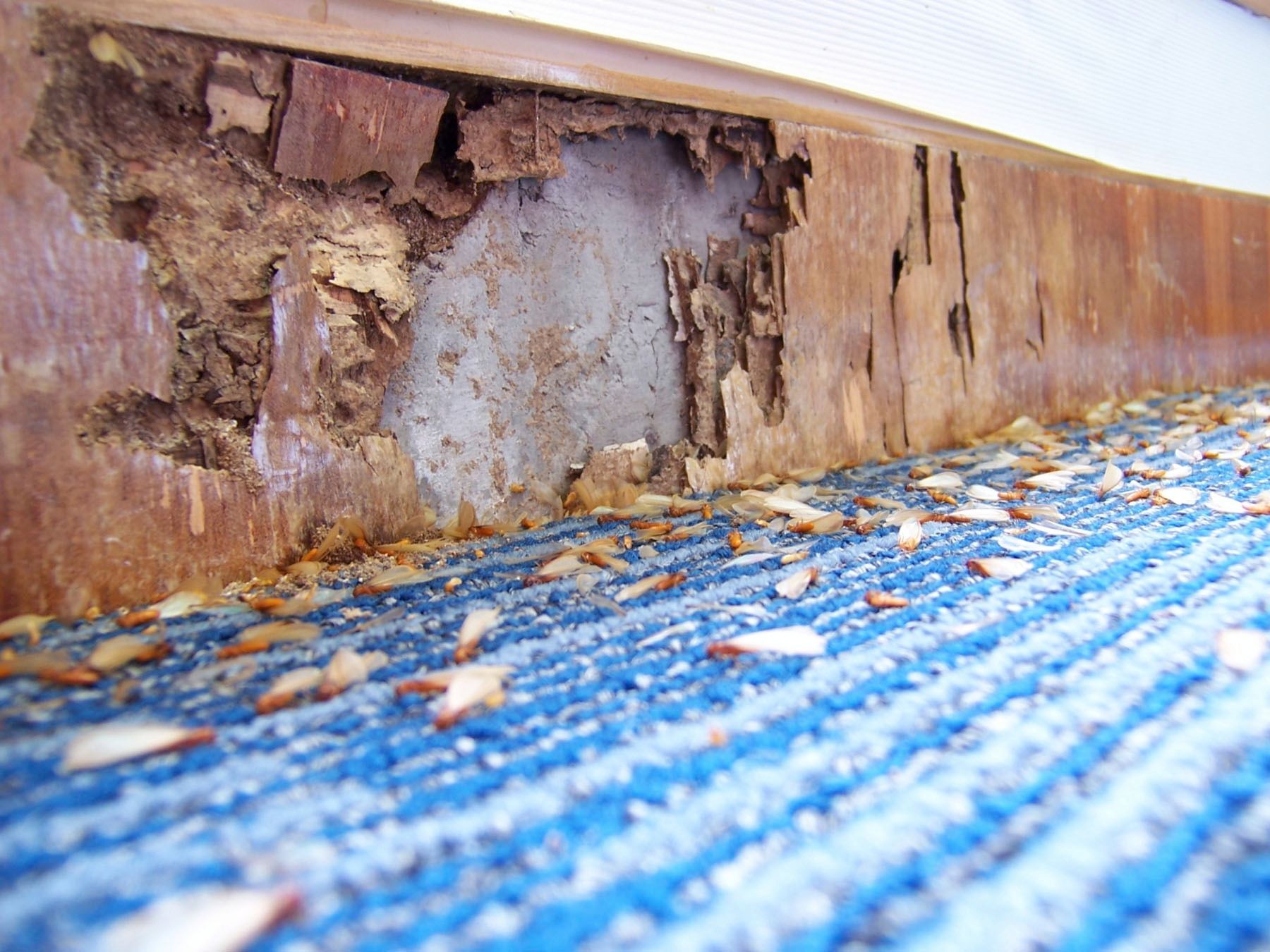
Homeowners often underestimate termites due to their elusive nature. The first sign of a termite infestation is typically the presence of discarded wings near windowsills and entry points, left behind when termites swarm and search for nesting sites. Another sign is mud tubes, which are pencil-sized and found around the foundation or in crawl spaces; they serve as protective tunnels for termites. The presence of hollow-sounding wood and small holes in wood surfaces is also an indicator that termites may have invaded your home. In some cases, doors and windows may suddenly become difficult to open because termite damage can warp wooden frames. Floors may also begin to blister or sag as the infestation spreads beneath the surface. Paying attention to subtle changes around the home can help homeowners identify problems before severe structural damage occurs.
If none of these signs are apparent, tapping on wooden structures can reveal termite activity, as infested wood sounds hollow. Additionally, homeowners might notice peeling paint that appears similar to water damage, as termites can introduce moisture into wood. The sighting of termite droppings, which look like tiny piles of pellets, is another tell-tale sign of infestation. Proactive identification and confirmation with a specialist can prevent further damage, as termites cause $6.8 billion worth of property damage each year, according to the National Pest Management Association. Some infestations may also produce faint clicking noises within walls as termites feed and communicate. Homeowners should avoid dismissing unusual household changes, especially in older homes with significant wood construction. Early professional evaluations can save substantial time and repair costs in the long run.
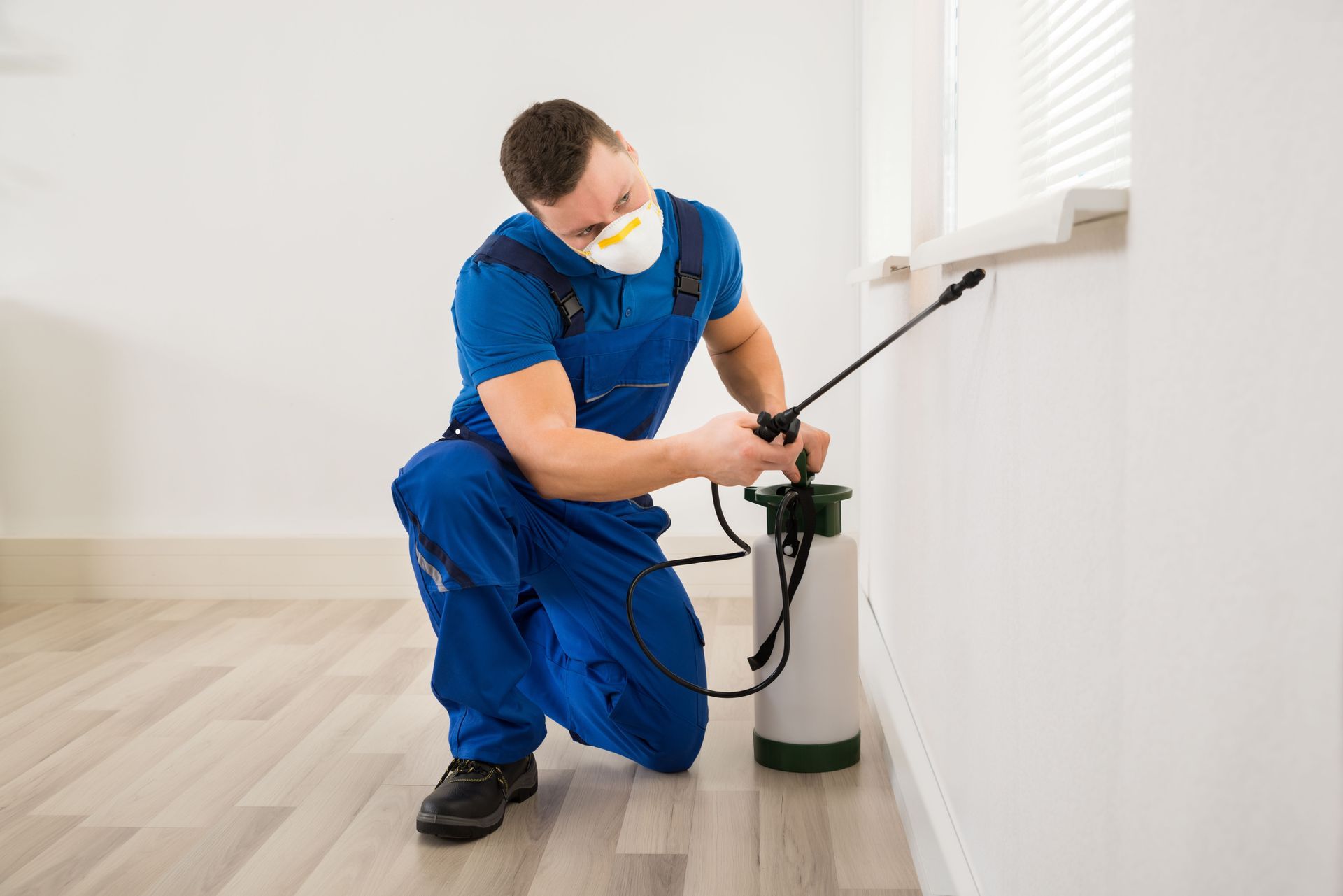
Detecting these signs early can be the key to preventing severe damage. Inspections should be regular, especially in susceptible areas, to catch any new developments promptly. Preventative measures, such as reducing wood-to-soil contact and keeping the home’s foundation dry, can help mitigate the risk of infestation. Once signs are identified, engaging in professional termite treatments is crucial to effectively addressing and eradicating a termite issue. Homeowners should also consider scheduling annual termite inspections as part of routine home maintenance. Removing excess wood debris, mulch, and moisture sources around the property can further reduce the chances of attracting termites. Consistent prevention efforts provide long-term protection and greater peace of mind.
Understand How Termites Weaken Your Home’s Structure
Termites are effective at undermining the structural integrity of wooden elements within your home. They consume cellulose found in wood, and their feeding habits can cause significant weakening of load-bearing structures. Over time, this undermining can lead to sagging floors, cracked walls, and even the potential collapse of building parts. This not only poses a threat to the safety of the inhabitants but also significantly depreciates property value. In severe infestations, termites may hollow out support beams to the point where they can no longer safely carry weight. Structural repairs related to termite damage are often extensive and expensive. This makes early intervention one of the most important factors in minimizing long-term harm.
Subterranean termites, the most destructive type, invade from underground and require contact with soil and moisture. These termites create extensive tunnel systems, and their penetration through joints and blocks can destabilize the foundation. In contrast, drywood termites enter structures directly and consume wood from the inside out, further contributing to substantial hidden damage. Treating these pests early with appropriate termite treatments can prevent irreversible structural failures. Because termites frequently remain concealed, homeowners may not realize how widespread the damage has become until renovations or repairs uncover it. Colonies can spread rapidly and infest multiple areas of the property at once. Routine inspections are essential for identifying termite activity before it compromises critical structural components.
The long-lasting harm caused by termites isn't limited to visible symptoms alone. Over time, moisture introduced by termites can also contribute to mold growth, affecting indoor air quality and health. Prolonged exposure to these conditions can result in adverse respiratory issues for the occupants. Therefore, regular inspections combined with preventive and reactive termite treatments are vital in preserving both structural and health standards of the home. Damaged wood may also attract other pests, compounding the issues homeowners face. Families living in termite-damaged homes may experience increased stress due to repair expenses and safety concerns. Addressing infestations quickly can help maintain a healthier and more secure living environment.
Protect the Areas of Your Home Most Vulnerable to Termites
Homes with wooden siding or those built with timber are particularly vulnerable to termite attacks. Basements, crawl spaces, and areas close to a building's foundation present ideal conditions for termites to thrive. These spaces typically offer the darkness, moisture, and humidity that facilitate termite survival and infestation. Bathrooms and kitchens are also frequent targets due to persistent humidity conducive to termite activity. Garages and storage rooms that contain cardboard boxes or untreated wood can also attract termites. Areas with poor drainage around the home’s exterior may create additional moisture problems that encourage infestations. Keeping vulnerable spaces clean and dry can significantly reduce termite activity.
The roof and attic areas of homes are not exempt from risk. Ongoing exposure to the elements can weaken wood, which provides another entry point for drywood termites to exploit. Poor ventilation in these spaces can foster conditions optimal for termite infestation. Monitoring and reinforcing such vulnerable zones with regular checks and employing termite treatments can immensely reduce the likelihood of infestation. Leaks from damaged shingles or clogged gutters can further increase moisture levels in attic spaces. Homeowners should routinely inspect roofing materials and wooden supports for signs of deterioration. Proper ventilation and timely repairs are essential for minimizing termite risks in upper portions of the home.
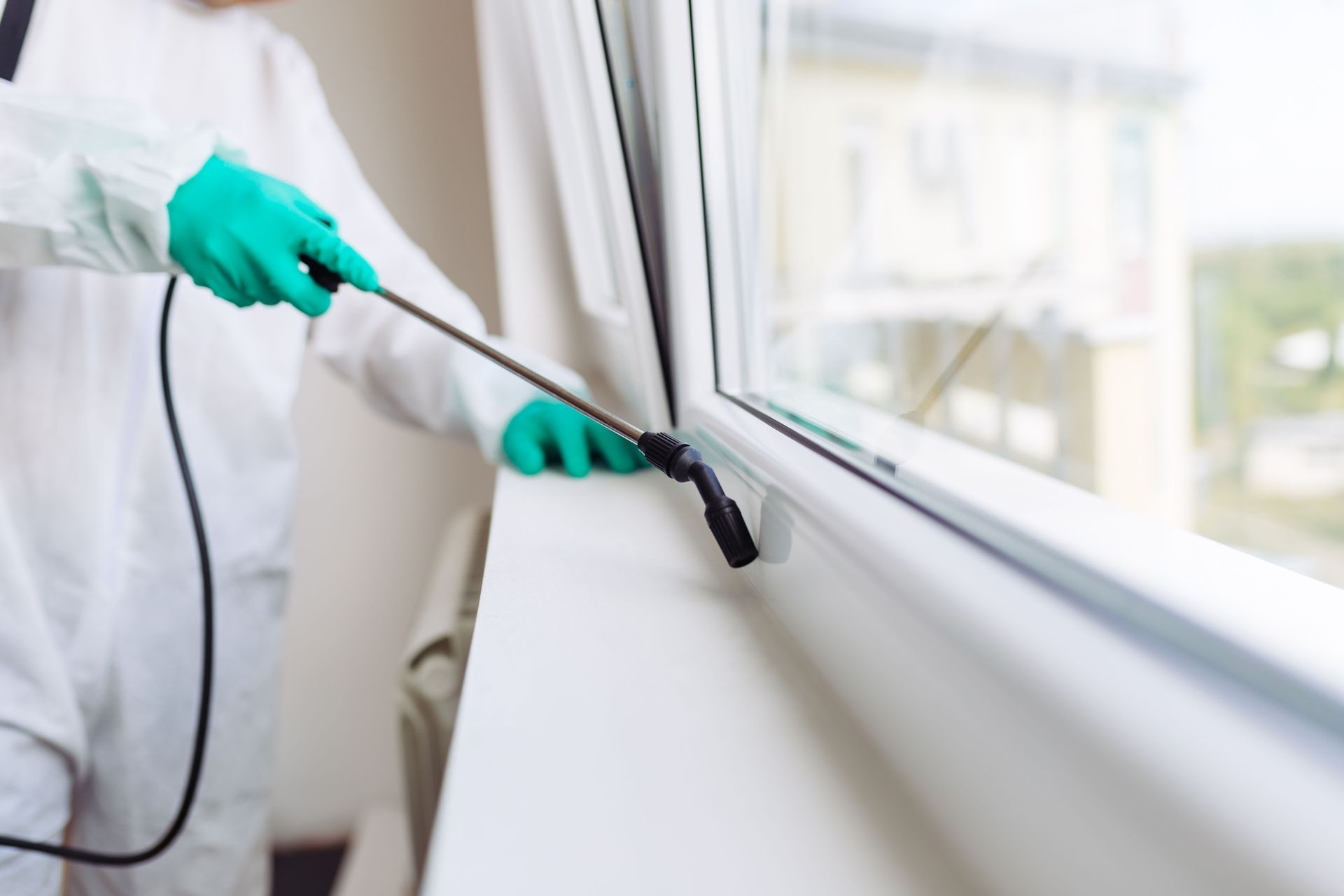
Termites can also infiltrate walls and areas around windows and doors, where they can access through small cracks or improperly sealed openings. Moisture intrusion from leaky plumbing or faulty roofing further exacerbates their access and colonization in these areas. It’s crucial to maintain a dry, ventilated environment and address any water leaks immediately to deter termite settlements. Implementing a routine pest control strategy that includes frequent inspections and professional termite treatments to protect at-risk areas. Exterior landscaping can also influence termite activity if shrubs and mulch are placed too close to the home.
The menace posed by termites is unrelenting as they gradually eat away at the very fabric of homes. As we’ve explored, such damage progresses silently over time, highlighting the necessity for vigilance and prompt action. Significantly, early detection of termite activity and prompt application of effective termite treatments are imperative to prevent catastrophic structural failures. Proactive measures ensure the preservation of a home’s integrity and safeguard against the financial and safety risks associated with termite damage. Regular maintenance and professional inspections remain some of the best defenses against hidden infestations. Reach out to Suncoast Pest Control to learn more about our services today.