August 18, 2026
Homeowners face constant battles against invading insects and rodents. Conventional eradication methods rely on harsh chemicals designed to eliminate infestations on contact. While these chemical applications kill bugs, they leave toxic residues across floors and baseboards. Domestic animals spend most days lying on carpets, licking paws, and sniffing corners. Because dogs and cats have smaller bodies and faster metabolisms, chemical exposure affects them in severe ways.
The transition toward alternative solutions represents a necessary shift in modern property management. Standard sprays cause respiratory distress, skin irritation, and severe gastrointestinal reactions in domestic animals. Recognizing these severe risks, property owners demand methods that prioritize animal health without sacrificing effectiveness. Implementing pet-safe pest control services provides peace of mind for animal caretakers. These specialized programs utilize botanical extracts and targeted baits rather than broad-spectrum poisons.
The Importance of Chemical Reduction
Traditional extermination relies on synthetic pesticides. These compounds linger in the air and settle onto surfaces where pets play and rest. Cats and dogs groom themselves throughout the day, ingesting residue picked up on their fur. Even minimal contact with conventional pesticides causes adverse health effects in domestic animals. By utilizing pet-safe pest control services, property owners eliminate the introduction of these harmful synthetics into the living space.
Botanical insecticides offer a viable substitute to synthetic options. Ingredients like peppermint oil, cedarwood, and diatomaceous earth act as powerful deterrents against insects. These natural elements break down organic matter without leaving toxic chemical trails behind. Animals walk through treated areas without risking chemical burns or ingestion toxicity. Specialists apply these natural formulas in specific locations where bugs hide, keeping main living areas clear of residue.
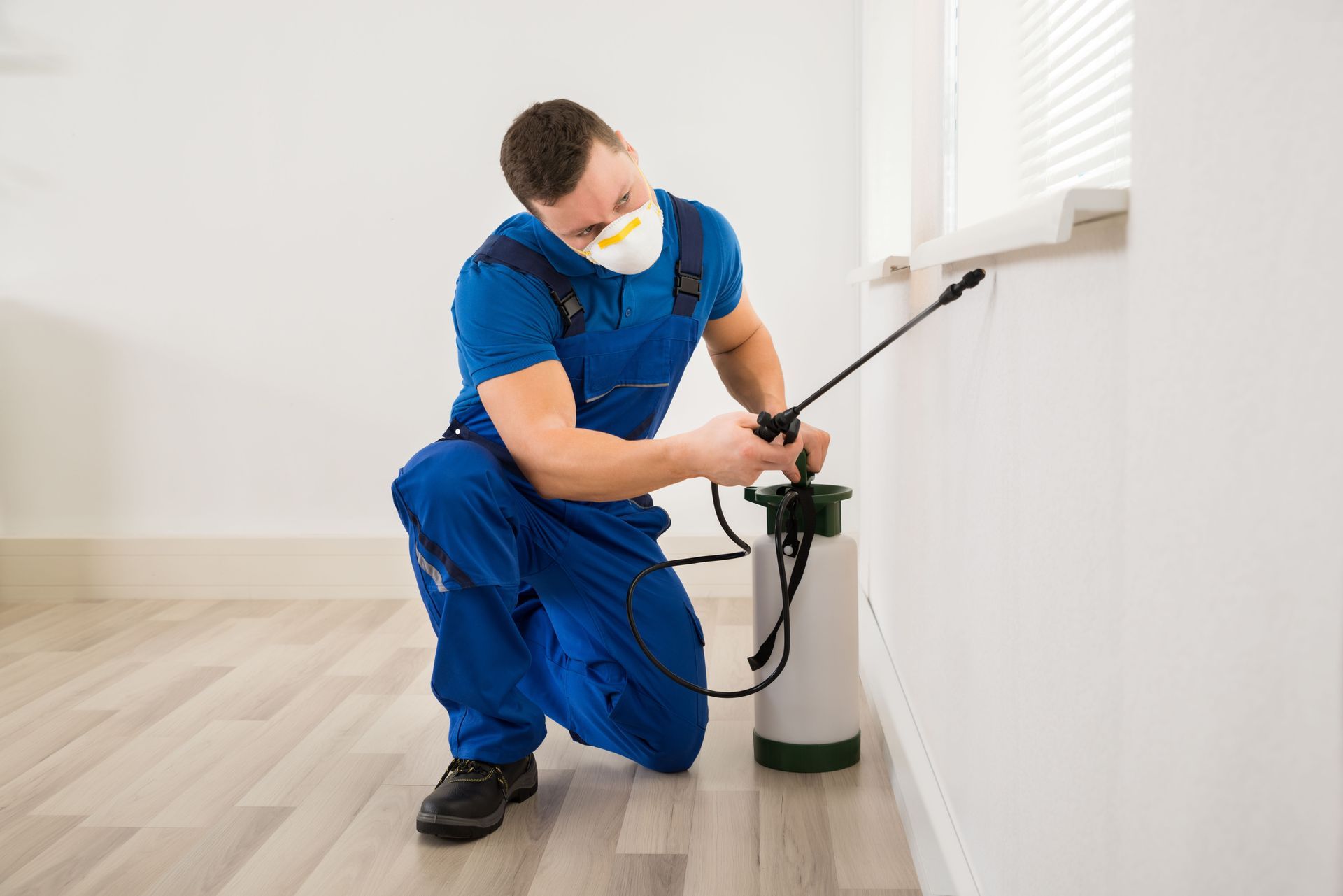
Application methods matter as much as the products themselves. Standard exterminators spray baseboards in a comprehensive manner, coating entire rooms in pesticide. Alternative professionals use precision techniques to target cracks, crevices, and specific entry points. This targeted approach minimizes the total volume of product needed to secure a building. Less product means less potential exposure for curious animals roaming the house.
Monitoring bait stations replaces widespread spraying in modern protocols. Tamper-resistant traps keep targeted treatments away from prying paws and snouts. Rodents and insects enter these stations, consume the bait, and depart, leaving the surrounding environment pristine. This containment strategy prevents secondary poisoning, which occurs when a pet consumes an affected rodent. Containment remains a cornerstone of responsible pest management.
The Value of Environmental Preservation
Standard pest treatments impact the broader ecosystem beyond the property line. Rainwater washes synthetic pesticides away from foundations and down into local watersheds. These chemicals harm beneficial insects, fish, and native wildlife in the surrounding region. Embracing pet-safe pest control services ensures that pest management remains localized and safe for the environment. The products utilized degrade in nature without accumulating in the soil or water supply.
Beneficial insects play a vital role in maintaining ecological balance around any property. Ladybugs, bees, and spiders prey on destructive pests and pollinate local flora. Broad-spectrum chemicals eradicate these helpful creatures alongside the targeted nuisances. Eco-friendly solutions target specific biological pathways in nuisance insects, sparing beneficial species from collateral damage. Maintaining this natural predatory balance helps suppress future infestations.
Soil health deteriorates when subjected to constant synthetic pesticide applications. Chemical accumulation destroys beneficial microbes that help plants absorb nutrients. Healthy landscaping around a house creates a natural barrier against pest intrusion. Botanical treatments nourish the soil while deterring unwelcome insects at the same time. Organic landscaping supports a robust micro-ecosystem that resists pest establishment.
Water conservation efforts align with eco-friendly extermination methods. Traditional chemical mixing requires substantial water usage, and the resulting runoff pollutes groundwater. Natural treatments come in dry granular forms or concentrated oils that require minimal dilution. Reducing water usage during application limits the spread of materials across driveways and sidewalks. Protecting the local water table protects the entire property.
The Benefit of Proactive Prevention
Addressing the root cause of infestations prevents future outbreaks. Pest management experts assess properties to identify structural vulnerabilities and attractants. Sealing foundation cracks, repairing torn screens, and fixing leaky pipes removes access and hydration sources. These physical modifications form a permanent defense against invading creatures. A core component of pet-safe pest control services involves this detailed structural exclusion process.
Yard maintenance impacts the likelihood of indoor infestations. Overgrown shrubs and dense groundcover provide ideal hiding spots for rodents and insects. Trimming vegetation away from exterior walls eliminates bridges that pests use to bypass ground-level defenses. According to This Old House, storing firewood at least 20 feet away from your home can minimize pest habitation. Keeping organic debris away from the foundation is a vital exclusion tactic.
Sanitation plays a critical role in proactive pest management. Insects and rodents enter buildings seeking food, water, and shelter. Storing pantry items in airtight containers denies pests their primary food source. Fixing slow leaks under sinks removes the moisture necessary for insect survival. Eliminating these attractants forces pests to seek resources elsewhere, reducing the need for extermination treatments. A clean kitchen offers no sustenance to wandering ants or roaches.
Routine inspections catch minor issues before they become severe infestations. Professionals possess the training to spot early warning signs like droppings, chew marks, or nesting materials. Early detection allows for the use of mild, non-toxic deterrents instead of aggressive eradication measures. Regular monitoring ensures the property remains secure throughout changing seasons. Continuous vigilance keeps the indoor environment safe and comfortable for domestic animals.
The Necessity of Comprehensive Safety
Health risks associated with pests extend beyond the nuisance factor. Rodents carry diseases, and insects trigger allergic reactions in sensitive individuals. Ticks and fleas transmit illnesses to cats and dogs. Resolving these issues remains necessary for general household well-being. Employing pet-safe pest control services achieves pest eradication while avoiding the introduction of new health hazards. Eliminating disease vectors protects the physical health of all property occupants.
Indoor air quality suffers when standard exterminators deploy aerosolized chemicals. Volatile organic compounds vaporize into the air, circulating through heating and cooling vents. Occupants and animals breathe these trapped compounds for weeks after application. Alternative botanical formulas emit pleasant odors that dissipate without compromising respiratory health. Clean indoor air contributes to a healthier living space for all inhabitants. Airborne toxins settle onto pet bedding and furniture.
Transparency in product selection empowers property owners to make informed decisions. Reputable professionals provide detailed material safety data for every compound utilized on the premises. Knowing what substances exist in the living environment relieves anxiety for animal caretakers. Technicians explain application methods and outline expected results without relying on obscure chemical jargon. Open communication fosters a cooperative relationship between residents and service providers.
The ultimate goal of pest management centers on restoring comfort and safety. Homes must function as sanctuaries, free from invading creatures and toxic substances. Integrating natural deterrents with structural exclusion achieves this delicate balance. Responsible extermination practices prioritize the well-being of the vulnerable family members, including animal companions. A secure property allows domestic animals to roam, play, and rest without unseen dangers.
The demand for responsible property maintenance continues to grow among modern residents. Awareness regarding the dangers of synthetic pesticides drives the shift toward alternative methodologies. Animals rely on their caretakers to provide secure and healthy environments. Choosing pet-safe pest control services demonstrates a commitment to animal welfare and ecological responsibility. These specialized methods prove that effective extermination does not require sacrificing safety. When you are ready to evict unwanted bugs without risking your animals' health, reach out to us at Suncoast Pest Control. We provide comprehensive pet-safe pest control services designed to give your entire family peace of mind.